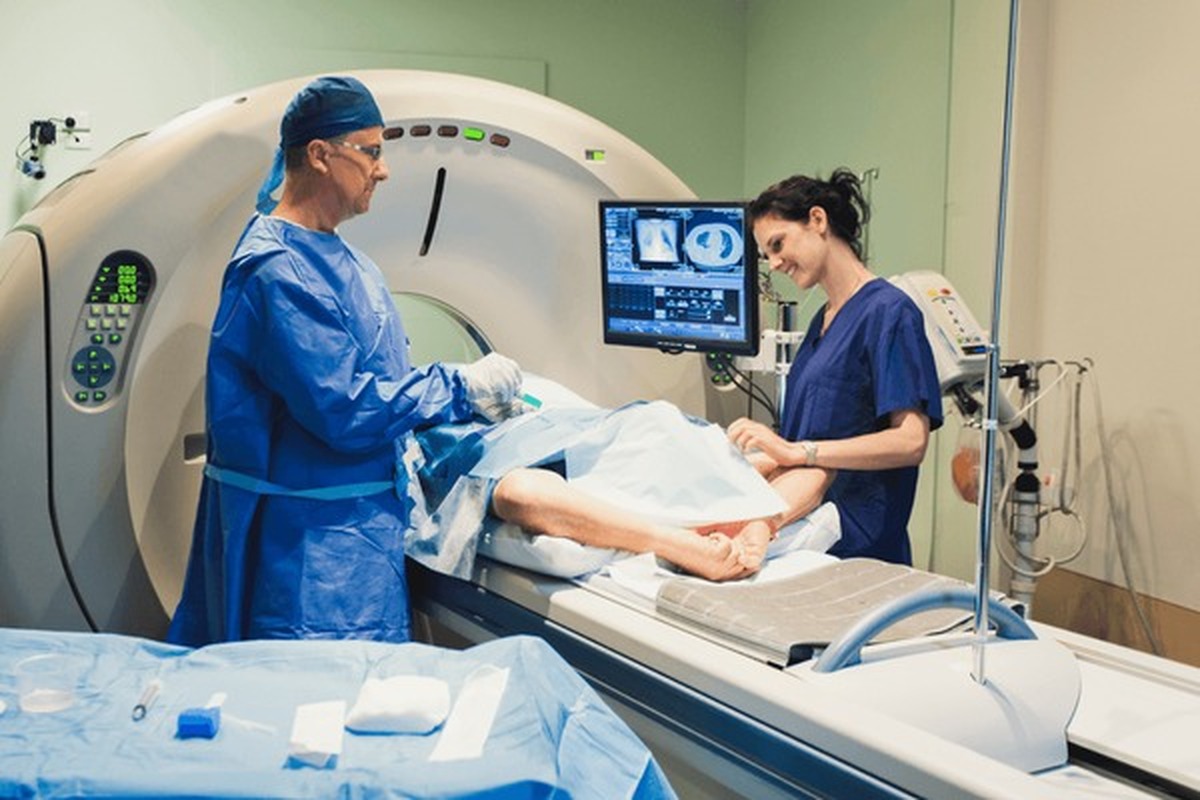

Radiation protection is the area the examination returns to more than any other, and it is also where a small number of specific misunderstandings cost a disproportionate number of marks.
ALARA is not “as low as possible”
If it were, the answer to every imaging question would be not to image at all. ALARA means the lowest dose consistent with obtaining the diagnostic information required.
The practical consequence matters on exam day: a repeat exposure is almost always worse than a slightly imperfect image. When a question offers you a repeat to improve an image that already answers the clinical question, that is usually the wrong answer.
The distinction most candidates get wrong
- Dose limits apply to occupational and public exposure. They are regulatory ceilings.
- There is no dose limit for a patient receiving a justified medical exposure.
This surprises people, but the logic is sound: a limit that prevented a clinically necessary examination would harm the patient it was meant to protect. Patient dose is governed by justification and optimisation instead.
Distance does more work than shielding
Intensity falls with the square of distance. Double your distance and intensity drops to a quarter — not a half. Expect at least one calculation: if intensity is 16 mGy/h at one metre, it is 4 at two metres and 1 at four.
This is why stepping back is the cheapest protective action available to you, and why shielding ranks third among the cardinal principles. Time and distance cost nothing; lead has to be bought, worn, inspected and replaced, and compliance falls when it is uncomfortable.
Collimation is the answer more often than you expect
Tightening collimation reduces patient dose and scatter simultaneously — and scatter is what degrades your image and irradiates you. It is the one change with no meaningful downside, which is why it is so often correct.
The leaded glove trap
A leaded glove protects a hand from scatter. It does not make it acceptable to put a hand in the primary beam. Worse, automatic exposure control senses the added attenuation and increases output, raising patient dose. Any option describing a gloved hand in the primary beam is wrong.
Where your own dose comes from
Occupational dose comes overwhelmingly from scatter, not the primary beam — the patient is the effective source. In fluoroscopy the scatter is most intense on the side where the tube sits, so standing on the image intensifier side genuinely reduces your exposure.
One care point worth memorising
Never fold a lead apron. Folding cracks the lead along the crease, creating gaps that are invisible from the outside. Aprons hang on racks and are inspected radiographically at defined intervals.
CAMRT Preparatory Classes is an independent exam preparation service. We are not affiliated with, endorsed by, or acting on behalf of the Canadian Association of Medical Radiation Technologists. Always confirm exam dates, fees and eligibility against the official CAMRT candidate handbook for your sitting.
Preparing for your sitting?
Tell us your discipline and exam date and we will suggest a realistic study plan.